



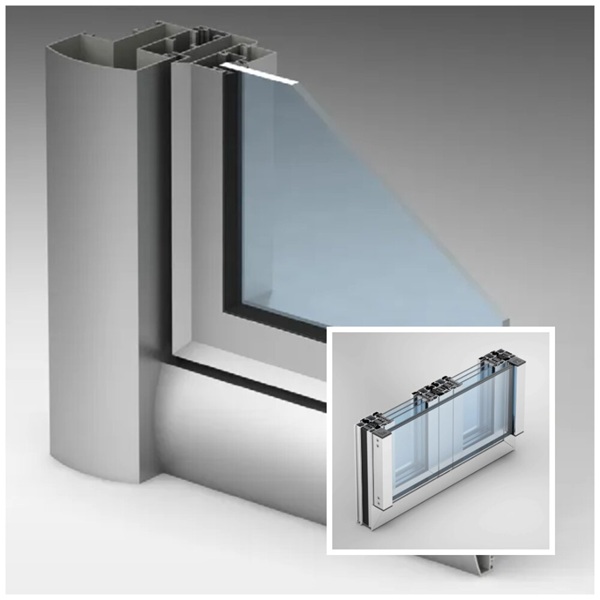
If you are building a high-rise in Ontario, simply knowing about regulations concerning glass balustrades is not enough. You also need to know how balcony glazing and balustrades work together. Understanding the relationship between them can help you improve occupant comfort by reducing wind exposure and the effects of nature’s other elements.
In fact, properly installed glazing along with balustrades can even extend seasonal use and improve the safety of the entire structure, rather than being just a visual guard. That is why today, HaloGlass – Ontario’s most trusted supplier of glass and aluminum systems, will help you understand how glazing and balustrades work together to create long-lasting and code-compliant structures.
The Relationship Between Balcony Glazing & Glass Balustrades
Guarding is the core purpose of glass balustrades, while that of balcony glazing systems is to serve as enclosures or wind screens. Together, they bring form and functionality rolled into one. Most high-rises typically use balustrades as the base onto which glazing systems are mounted to create a robust structure.
However, for balustrades to serve as the foundation for glazing systems, they must meet the following requirements:
- Individual safety and guard requirements
- Additional support for the loads’ glazing systems introduces
- Maintenance of alignment and tolerances across the entire balcony
Since balustrades are generally installed at the base, they are generally installed first. This helps in setting the height, straightness, and fixing points that balcony glazing systems need.
Structural & Load Considerations For Glazing & Balustrades
The addition of a balcony glazing system on top of a glass balustrade can alter the latter’s load profile significantly. The transfer of force, such as that exerted by winds, changes too.
To ensure the entire structure holds together under all kinds of forces, you must take the following factors into account:
- The balustrade’s glass type, its thickness, and whether it can resist combined loads
- Appropriate fixing methods that are capable of accommodating glazing forces and guard loads
- Specifically designed anchor systems that can handle increased load demands
You must choose a balustrade system that has been designed for combined assembly. High-rise buildings face immense wind pressure, so having a solid system is crucial.
Design Coordination & System Alignment For Combined Systems
Now let’s talk about designing the two in a way that both the balustrade and the glazing fit together seamlessly. For that to happen, alignment is the most important factor. Even minor deviations in the level or plumb can lead to a complete mismatch during installation.
So when getting both designed, make sure that:
- The balustrade’s height syncs perfectly with the edge of the balcony
- The spacing between the glass panels and the joints aligns
- Transitions taking place at the corners, returns, and balcony dividers match
A well-coordinated system ensures a smooth installation process without the need of expensive reworks or onsite adjustments. It also prevents visible offsets, excessive shimming, and compromised seals.
Safety & Code Compliance
For glass balustrades, meeting standards set by local building codes is mandatory even if no glazing systems are installed.
Compliance points your chosen balustrades must follow include:
- Maintenance of the minimum guard height measured up from the finished floor
- Use of laminated safety glass only
- Meeting key parameters for impact resistance and post-breakage performance
- Adherence to approved fixing systems and secure anchoring layouts
Remember that during a formal inspection, both the glazing system and the glass balustrade will be checked together. Make sure you have all the documentation and engineering details ready.
Onsite Installation Sequence
The next thing you need to know about is the proper sequence for the joint installation of glass balustrades and balcony glazing systems. It goes something like this:
- First, verify the condition of the substrate and the slab edge
- Install the balustrade first as per the shop drawings
- Check the structure’s tolerances and alignment
- Install the panels and frames of balcony glazing
- Finally, complete other critical processes, including sealing, drainage, and finishing
Following this order is the easiest way to prevent compromised performance and component damage.
Conclusion
When installed together, balcony glazing and glass balustrades can create an impressive all-season space with expansive views that occupants are bound to enjoy. However, knowing how the two work together is critical to ensuring long-term performance and endurance.
If you need both for your next Ontario high-rise project, turn to us. HaloGlass provides sleek, stylish, and code-compliant glass balustrades and balcony glazing systems in Toronto. Contact us to explore our range of high-strength systems.
FAQ: Balcony Glazing & Balustrades
Can balcony glazing be retrofitted onto existing glass balustrades?
Does balcony glazing change guard height requirements?
Can different finishes be used for balustrades and glazing frames?