



Doors come in many shapes, sizes, and finishes – whether you opt for flexible bi-fold doors or standard sliding ones.
But did you know you could get aluminum doors with fire-resistant construction?
That’s right! An important yet seldom talked about safety feature for most high-rises and commercial towers in Ontario, exterior and interior-entry points are more than just an aesthetic and weather-resistant means of access. They are an essential part of a building’s safety structure.
In today’s blog, HaloGlass – Ontario’s most trusted supplier of aluminum doors, will give you a complete lowdown on fire-resistant entrances, covering everything contractors need to know about their performance and features.
What Are Fire-Resistant Aluminum Doors?
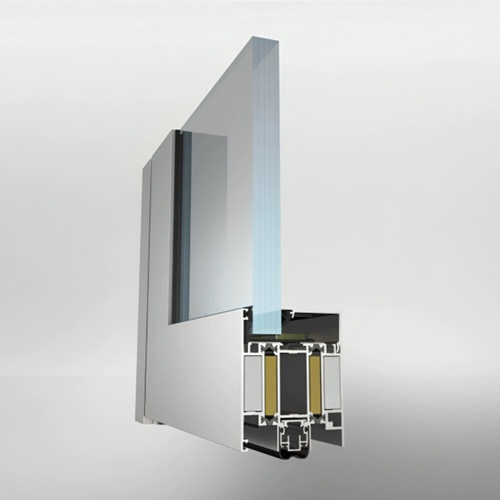
You already know aluminum doors feature an aluminum frame along with typically insulated glass panels for maximum occupant comfort.
Fire-resistant doors are not very different in terms of basic structure, but their features are unique. These door systems are engineered to withstand fire exposure for a specific duration. This helps in limiting:
- The spread of flames
- Transfer of heat
- Passage of smoke
The capacity of every individual door to resist fire is measured in terms of minutes. For example, common ratings include 60 minutes, 90 minutes, 120 minutes, etc. The only way to choose a door with the correct fire rating is to follow local compliance codes.
That said, you will also find that every single component of fire-rated doors is geared to provide protection – whether it’s the door’s fire-resistant cores, or its glazing, seals, and hardware. Each part serves the same purpose – delay the spread of heat and flames as much as possible to contain fire and improve occupant safety.
Where Fire-Resistant Aluminum Doors Are Used
Installing fire-resistant doors is mandatory in certain high-risk or code-regulated environments. These typically include:
- Fire escapes and stairwell exits
- Elevator machine rooms and lobbies
- Fire separators and smoke barriers
- Electrical or mechanical service rooms
- Corridor transitions between fire compartments
As per the Ontario Building Code, you must install fire-repelling entry points in areas that are a part of a fire separation assembly or anywhere that protects means of egress. As a contractor, you need to ensure the door you select actually fits into your project’s compartmentation design and aligns with its overall fire strategy.
Key Performance Attributes Of Fire-Resistant Doors
Good-quality fire-resistant aluminum doors feature certain characteristics that you should be mindful of when selecting such doors. These traits include:
- Fire-resistance rating
Starting at 20 minutes and going all the way up to 180 minutes, the fire-resistance of the door you get ultimately depends on its individual rating. The higher the rating, the longer it can withstand fire exposure without failing.
- Heat transfer control
Well-made doors do not just repel flames; they keep the heat emanating from them at bay, too. Limiting temperature rise on the unexposed side is one of their key features and extremely useful for the safe evacuation of occupants.
- Smoke control
During severe fires, smoke can turn into a life-threatening agent. Many fire-resistant doors are designed to resist the migration of smoke to ensure occupants do not fall prey to their harmful effects before evacuation begins.
- Structural integrity
While aluminum doors are naturally strong, fire-resistant doors should be built with reinforced components so they can maintain the integrity of their leaf and frame under fire exposure. They should also resist warping and separation for at least as long as they are rated.
- Aluminum advantages
Though aluminum’s thermal conductivity is on the higher side, certain door systems (such as the ones we provide at HaloGlass) integrate fire-rated cores and thermal breaks to maintain optimal performance, strength, and design flexibility.
Conclusion
Whether you are building a high-rise or a commercial tower, installing fire-resistant aluminum doors at key exit points of the building is an effective strategy in increasing the overall safety of the space and its occupants.
HaloGlass provides modern fire-resistant aluminum doors in Toronto that effortlessly blend performance and safety. Durable, strong, and aesthetically pleasing, our doors are the top choice among Ontario contractors. Contact us to get code-compliant entrance systems.
FAQ: Fire-Resistant Aluminum Doors
Can fire-resistant doors use glass panels?
Does the installation of a fire-resistant door require the use of specialized hardware?
Is a standard aluminum door acceptable where a fire door is needed?