



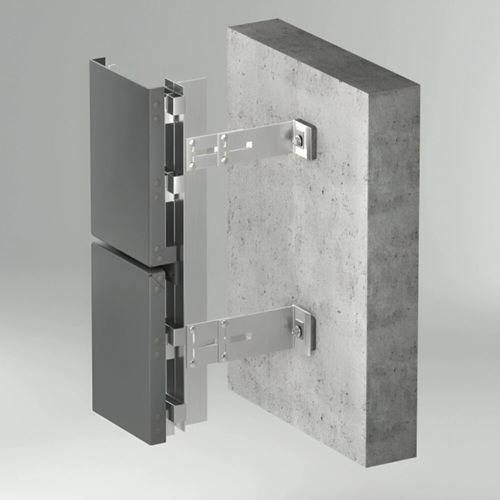
While curtain walls have been a high-rise staple for more than 150 years now, facade systems are fast gaining momentum too.
The perfect envelope for modern buildings, facade systems are a lot more than just an aesthetic and interesting cover. Apart from lending a unique architectural identity to towers, they also bring unmatched performance and protection, ensuring the project you have built continues to gather appreciation from tenants, visitors, and onlookers alike.
If you want to add facade systems to your next Ontario project, you have come to the right place. In today’s blog, HaloGlass – Toronto’s top facade systems supplier- will help you understand how these structures function, what they are made of, and how they are installed to deliver dependable, code-compliant performance in the long run.
What Is A Facade System?
A type of exterior cladding assembly, a facade system separates the exterior of a building from its interior environment to ensure the interior structures are protected from external conditions. In high-rise projects, facade systems are mainly used to manage wind loads, water penetration, thermal performance, and building movement. That is why they are typically fashioned as non-load-bearing structures.
That said, modern facade systems are built to be sturdier so they can withstand the impact of the elements. They generally incorporate aluminum framing and high-performing glazing along with integrated draining solutions, so you get a complete system that is ready to install from the get-go.
Why Facade Systems Matter In High-Rise Construction
While they might not be a strictly must-have element for high-rises, facades still contribute positively to the structural performance of a building. If designed right, they can:
- Protect the building from the impact of wind, moisture, and rain
- Help in the management of wind load and differential movement between floors
- Improve the building’s thermal efficiency and enhance occupant comfort
- Create a visually striking exterior
All you need is a well-coordinated facade system that meets your project’s load, wind, and structural requirements to prevent site issues and reworks while guaranteeing long-term performance.
Core Components Of A Facade System
While the design of individual facades will vary on a project basis, their basic elements remain the same all across. These include
- Aluminum framing
It all starts with the frame. The reason why aluminum is commonly used is because of its excellent strength-to-weight ratio. Moreover, its properties, such as corrosion-resistance and its ability to support glass panels of large sizes, also make it a popular choice.
- Glazing systems
The selection of a facade’s glazing system depends on its project requirements, which may include solar control, acoustic reduction, and/or thermal insulation.
- Anchoring and fixing systems
While fixing systems hold the entire structure together, anchoring systems help in the transference of wind and dead loads back to the building. They also support vertical and horizontal movement.
- Drainage and pressure equalization
Drainage paths are often integrated into facade systems to help manage water infiltration in case of rain. They also help in the prevention of moisture buildup within the system, thus improving its long-term performance.
For example, HaloGlass’ facade solutions not only feature sturdy aluminum frames and insulated glazing systems, but they also come with premium anchoring methods and an integrated drainage system to ensure your building gets the best protection available.
Installation & Performance Considerations In High-Rises
While facade installation is a great idea, you must consider a few things before finalizing a system for your next project.
Your final choice must meet strict performance benchmarks and should be compliant with local Toronto or Ontario building codes. Apart from being structurally sound, it should also feature proper sealing, drainage, and pressure equalization. Lastly, it should be durable and equipped with thermally broken aluminum to improve insulation performance.
As for installation, make sure you assess substrate conditions and slab edges before fixing the facade system. You must also account for building movement and alignment and follow proper sequencing with windows, doors, and other interior systems.
Conclusion
Facade systems bring beautiful design and exceptional protection to high-rises, but only if you choose the right solution. Having a deeper understanding of their features, performance, and installation considerations can help you make the right choice.
If you are looking for the right supplier, turn to us. HaloGlass provides premium facade systems for Toronto high-rises. Contact us to know how our solutions can enhance the aesthetics and performance of your next project.
FAQ: Facade Systems
Can facade systems be installed floor by floor?
What type of testing is required for facade systems?
Are facade systems suitable for retrofit projects?