




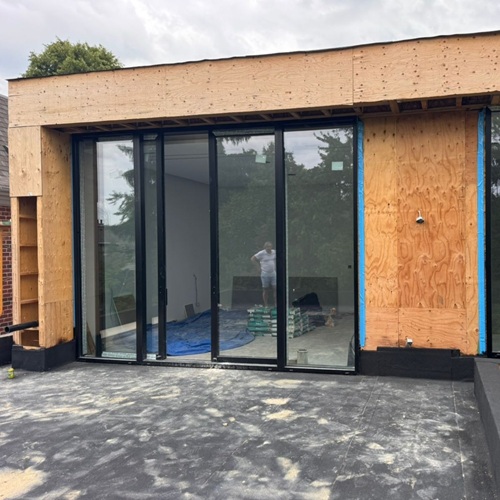
Capable of adapting to Ontario’s climate and overall modern construction requirements, sliding glass doors are a popular choice for most projects. Their expansive views, natural light, and convenient access make them suitable for both commercial and residential projects.
However, their everyday performance depends on a myriad of factors, or components, that must work together in perfect sync to deliver the buttery-smooth openings and closings clients expect.
HaloGlass, suppliers of premium, high-performing aluminum doors in Ontario, has prepared a brief guide on factors affecting sliding glass door operations. A deeper understanding of these factors will help contractors specify their door systems right for future projects.
Which Components Impact The Operation Of Sliding Doors?
The quality and installation of the individual components of a sliding glass door system can affect its short- and long-term operations. Contractors should check the following to preserve this door type’s optimal performance.
-
Quality of the track system
The track of the sliding door system guides its movement during opening and closing motions. If it is faulty, poorly designed, damaged or dirty, or incorrectly installed, the door will automatically be difficult to operate.
That is why when specifying doors, contractors should pay extra attention to track design. It should suit the door’s configuration and expected usage. In fact, sliding doors in busy areas should have tracks that support continuous operation without compromising performance. Proper alignment and fitting can support their longevity.
-
Rollers and operating hardware
Rollers allow sliding door panels to move along their track in one swift, smooth movement. Meanwhile, the associated hardware ensures controlled operation, making the door slide into its desired spot without much resistance. Their quality and suitability should be factored into door design for optimal performance. This involves choosing compatible hardware that can handle the panel’s dimensions and weight. Using the right components prevents premature wear and tear, uneven movement and operating difficulties.
-
Panel weight and door dimensions
Sliding doors generally feature large glass panels to create impressive and uninterrupted views. However, their size and weight can impact the door’s overall movement and operation. To ensure a smooth sliding mechanism, the door’s rollers, tracks, frame, and other supporting components should be able to handle the panel’s load. Contractors must confirm permitted panel dimensions and their weight before placing an order for sliding doors. This ensures delivery of properly specified and designed door systems.
-
Accurate installation and alignment
Even properly specified and designed sliding doors can falter if they are not aligned and installed correctly. Misaligned tracks, uneven supporting surfaces, or improperly adjusted panels resist movement. They also lead to gaps and inconsistencies during operation. Maintaining complete accuracy during placement and installation is key to avoiding operational problems. Following the manufacturer’s installation instructions and coordinating door installation with surrounding floors and frames has the same effect.
-
Cleaning and routine maintenance
Dust, grit, and other debris can accumulate in sliding door tracks and halt their operation. This friction can be removed with regular cleaning, allowing the rollers to move smoothly again. Periodic inspections of the entire door system should be conducted as well to check for damaged seals, loose hardware, or worn components. Replacing these promptly restores normal function. As for lubricating the door system, only manufacturer-approved or recommended lubricants should be used, if any.
-
Choosing the right door system
Finally, choosing properly configured sliding doors is key to ensuring their smooth operation. When panel dimensions match the opening, its intended use, and overall project requirements, the door performs as expected. Contractors should make sure they order complete door assemblies that feature compatible tracks, rollers, and other hardware for long-term, friction-free performance.
Conclusion
Ultimately, the supporting hardware and the system’s installation methods and overall alignment determine the long-term operations of sliding door systems. Contractors should make sure they order doors for their projects from a reliable supplier so that they get complete assemblies ready for installation.
HaloGlass provides properly configured aluminum sliding door systems perfect for both residential and commercial use across Ontario high-rises. Contact us to get compatible doors that offer the right mix of practical performance and refined aesthetics.
FAQs
Do sliding glass doors become harder to operate over time?
Should sliding door tracks be lubricated regularly?
Can sliding door rollers be replaced if damaged?